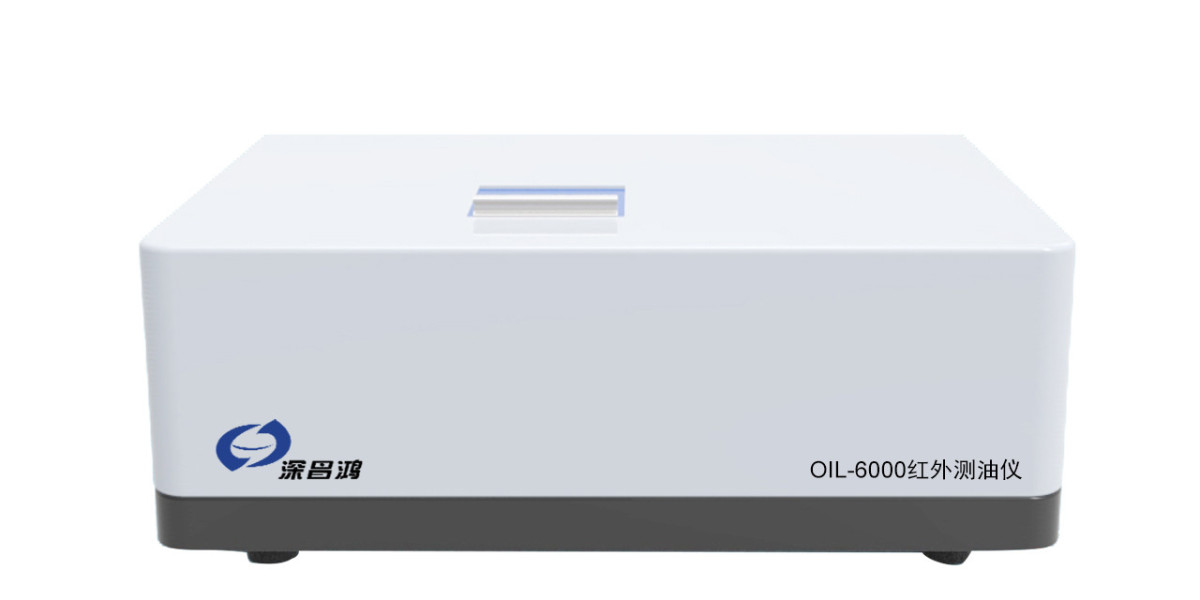

In today’s world, environmental protection and sustainable development have become central themes in industrial progress. One of the most crucial indicators of environmental health is oil contamination in water — a factor that affects not only ecosystems but also industrial safety and public health. The Infrared Oil Analyzer, developed and manufactured by SCH, plays an essential role in ensuring accurate and efficient detection of oil content in water, providing critical support for environmental management and pollution control.
1. The Principle Behind Infrared Oil Analysis
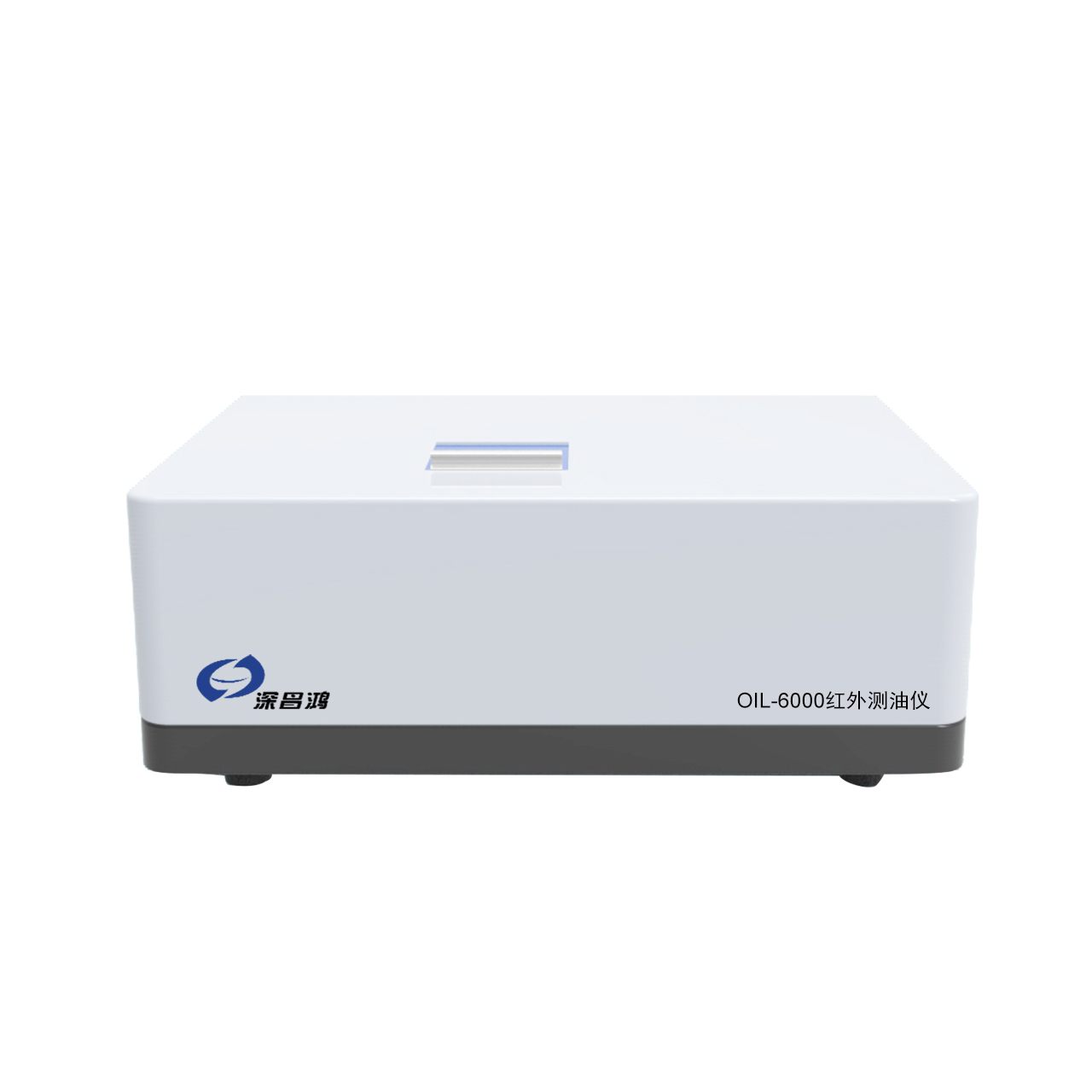
Infrared spectroscopy is based on the interaction between infrared light and molecular vibrations. Oil molecules possess specific absorption characteristics in the infrared spectrum — particularly in the C-H stretching vibration region. When an infrared beam passes through a water sample containing oil, these molecules absorb light at specific wavelengths.
By measuring the absorbance intensity at these characteristic peaks, the Infrared Oil Analyzer can determine the concentration of oil quantitatively. This makes the method highly precise, reproducible, and rapid, ideal for both laboratory analysis and on-site water quality assessment.
2. Why Infrared Analysis Matters for Environmental Monitoring
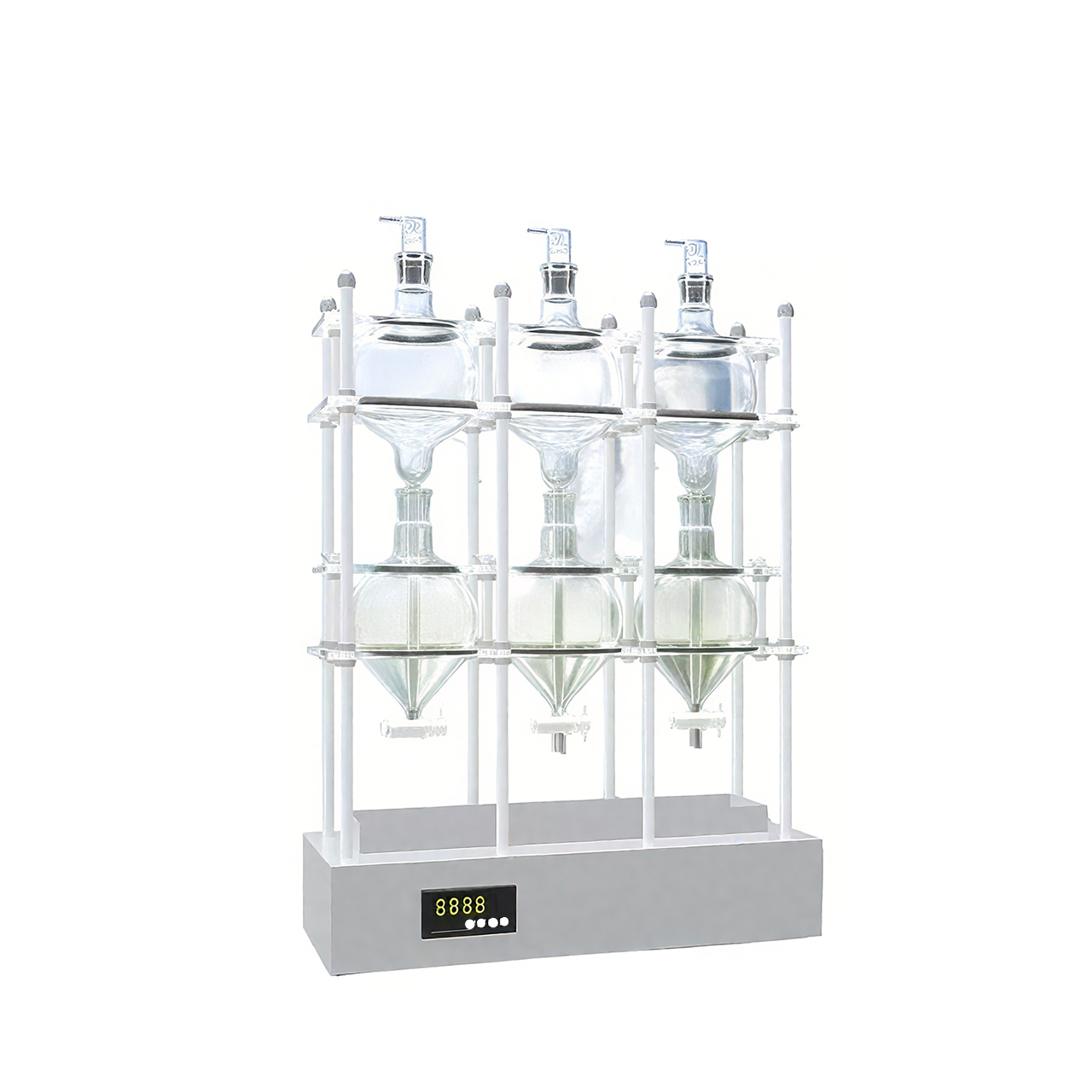
Traditional methods for detecting oil in water, such as gravimetric or chemical oxidation, are often time-consuming and involve the use of hazardous reagents. In contrast, the Infrared Oil Analyzer developed by SCH offers a non-destructive, efficient, and environmentally friendly alternative.
Its advantages include:
High Sensitivity: Capable of detecting trace amounts of oil contamination.
Fast Response: Delivers accurate results within minutes.
Ease of Use: Minimal sample preparation and straightforward operation.
Environmental Compliance: Helps industries meet water discharge standards.
By integrating this technology into regular monitoring programs, industries such as petroleum, chemical, power plants, and steel mills treatment can ensure compliance with environmental regulations while minimizing operational risks.
3. SCH’s Commitment to Innovation and Environmental Stewardship
SCH has long been dedicated to the research, development, production, and sales of water quality testing equipment. With years of technical expertise, SCH has developed a range of intelligent analytical instruments that combine precision optical systems, advanced signal processing, and robust mechanical design.
Through continuous innovation, SCH has optimized its analyzer’s spectral detection algorithms, ensuring better accuracy in differentiating various oil types — from petroleum hydrocarbons to lubricating oils. Furthermore, SCH’s instruments are designed for long-term stability, even in complex field environments, making them trusted tools for laboratories, industries, and environmental agencies worldwide.
4. Applications Across Industries
The Infrared Oil Analyzer is not confined to laboratory use. Its versatility makes it a critical instrument across multiple fields:
Environmental Protection: Regular monitoring of surface and groundwater for oil pollution.
Industrial Wastewater Treatment: Ensuring that discharged water meets oil concentration standards.
Petrochemical Industry: Detecting leaks or process losses in refineries and pipelines.
By offering rapid and reliable results, SCH’s analyzer allows for early detection of pollution events, supporting proactive management and reducing environmental impact.
As industries move toward smart environmental management, the integration of infrared oil analyzers with IoT (Internet of Things) and cloud-based data systems will become the new standard. SCH is already advancing in this direction — developing networked, automated monitoring solutions that enable real-time oil content tracking and centralized data management.
Such innovations not only enhance operational transparency but also contribute to global sustainability goals, helping industries balance productivity with environmental responsibility.
Conclusion
Infrared oil analyzers have established themselves as indispensable tools in the environmental monitoring arsenal. Their ability to provide rapid, accurate, and specific hydrocarbon quantification makes them superior to traditional gravimetric methods. SCH's unwavering focus on technological innovation and practical application has produced instruments that set new benchmarks for reliability and user-friendliness in this demanding field. As global environmental standards become increasingly stringent, the role of precise oil-in-water monitoring will only grow in importance, and SCH stands ready to equip industries and regulatory bodies with the tools needed to protect our precious water resources.
For more product details, please see:
Infared Oil Analyzer – SCH
https://www.schinstrument.com/how-the-infrared-oil-analyzer-enhances-water-quality-monitoring.html