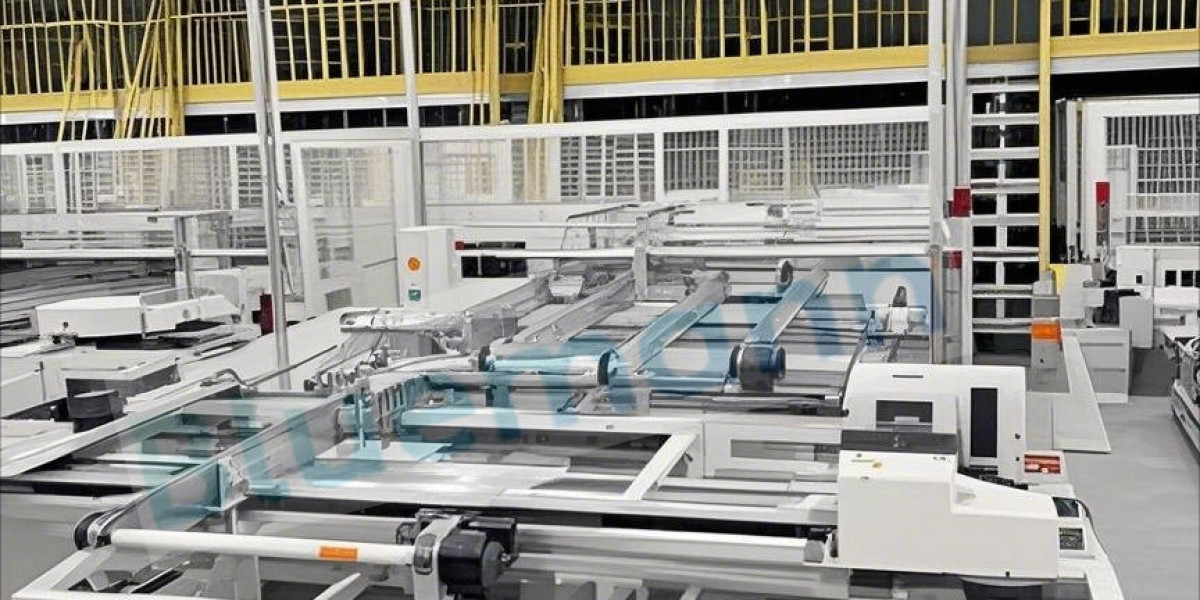

In precision manufacturing, surface finishing and edge accuracy are no longer secondary processes—they are critical determinants of product performance, assembly compatibility, and long-term reliability. The automatic angle filing machine has emerged as a key solution for industries that demand consistent chamfering, edge correction, and angular surface finishing with minimal deviation.
Unlike manual or semi-automatic filing methods, modern automatic systems integrate motion control, mechanical stability, and digital precision to meet the increasing demands of industrial production environments.
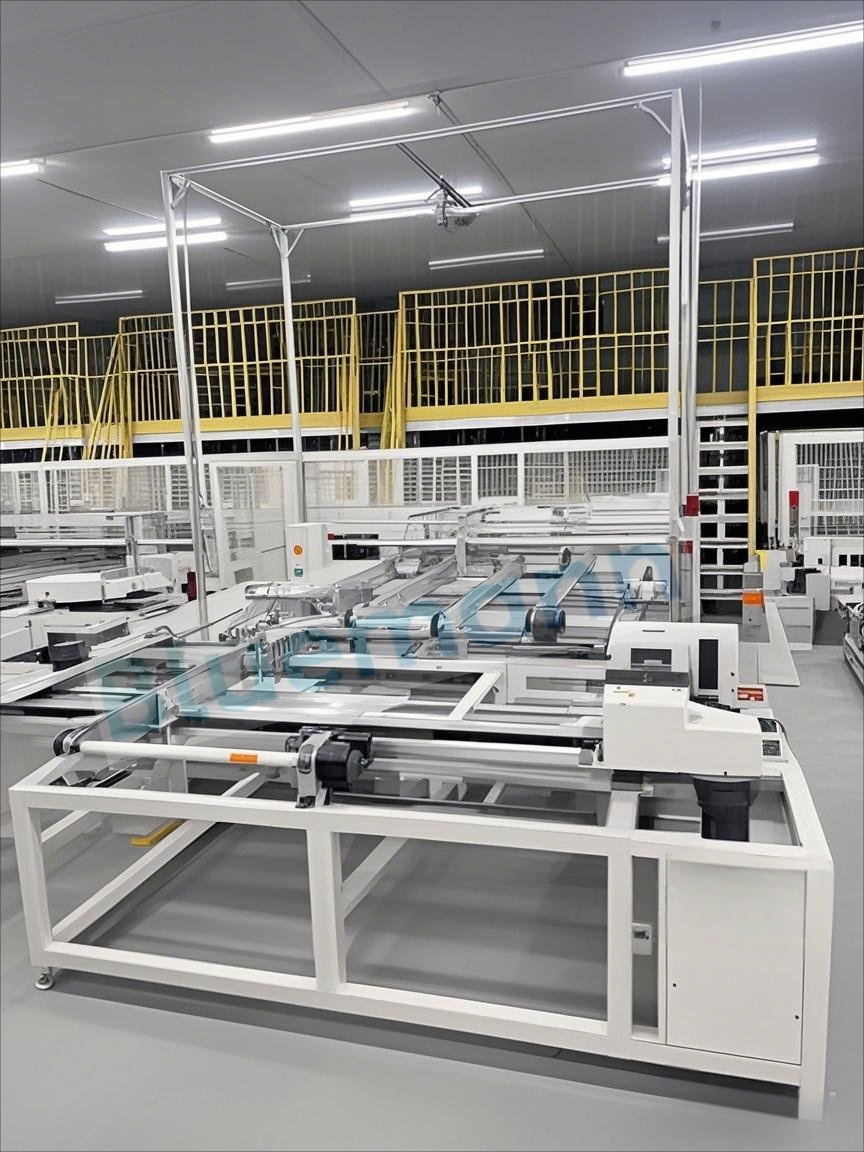
Understanding the Automatic Angle Filing Machine
An automatic angle filing machine is a specialized finishing device designed to file, shape, or refine workpiece edges at precise angles. It is widely used in metalworking, precision tooling, automotive components, electronics housings, and structural parts where angular accuracy and surface consistency are essential.
At its core, the machine replaces manual filing with a fully controlled, repeatable mechanical process, ensuring uniform results regardless of batch size or operator skill.
Core Drive System: Servo Motor for Absolute Control
One of the defining technical advantages of an advanced automatic angle filing machine is its servo motor-driven system.
Servo motors provide:
High positional accuracy
Rapid response to control signals
Stable torque output across speed ranges
This allows the filing head to maintain precise angular alignment and controlled feed rates throughout the operation. For manufacturers, this translates directly into repeatable accuracy, reduced rework, and tighter tolerances.
Blumann integrates servo-driven architectures to ensure that every filing cycle delivers consistent results, even in continuous production environments.
Synchronous Belt Transmission: Smooth Power, Minimal Backlash
The use of a synchronous belt transmission system is another critical engineering feature. Compared with traditional gear-driven mechanisms, synchronous belts offer:
Zero slippage during operation
Reduced mechanical noise and vibration
Lower maintenance requirements
Enhanced motion smoothness
In an automatic angle filing machine, this smooth transmission ensures that filing pressure remains stable across the workpiece surface, preventing uneven material removal and edge deformation.
Linear Guide System: Stability Meets Precision
Precision is only as good as the machine’s ability to move accurately along a defined path. High-quality linear guide rails provide:
High rigidity and load-bearing capacity
Low friction for smooth linear motion
Excellent repeatability over long service life
By combining linear guides with servo-driven motion, the filing head maintains exact alignment with the programmed angle, even during high-speed or long-duration operations.
This design philosophy reflects Blumann’s focus on mechanical integrity and long-term operational stability.
Multi-Angle Capability: Flexibility for Complex Components
Modern production rarely relies on a single edge geometry. Automatic angle filing machines are designed to support:
Adjustable filing angles
Multiple angle presets
Rapid changeover between different workpiece specifications
This flexibility allows manufacturers to handle diverse product lines without extensive retooling, improving overall production efficiency and equipment utilization.
Applications Across Industrial Sectors
The automatic angle filing machine plays a vital role in numerous industries:
Metal Fabrication and Machining
Used for deburring, chamfering, and edge refinement of machined parts before assembly or coating.
Automotive and Transportation
Ensures precise edge angles on brackets, frames, and structural components to improve fit and fatigue resistance.
Electronics and Enclosures
Provides clean, accurate edges on housings and panels where aesthetics and dimensional accuracy are both critical.
Tool and Die Manufacturing
Supports precision finishing of molds, dies, and tooling components with strict angular requirements.
Automation Benefits: Beyond Labor Replacement
While automation reduces dependence on manual labor, its true value lies in process consistency and quality assurance.
An automatic angle filing machine offers:
Consistent surface finish across batches
Reduced operator variability
Lower scrap and rework rates
Improved workplace safety
By standardizing the filing process, manufacturers gain better control over downstream operations such as coating, welding, or assembly.
Conclusion: Engineering Precision into Every Edge
The automatic angle filing machine represents a significant evolution in industrial finishing technology. By combining servo motor control, synchronous belt transmission, and linear guide systems, it delivers a level of precision and consistency that manual processes simply cannot match.
With engineering-focused solutions from manufacturers like Blumann, businesses can elevate their finishing operations, reduce variability, and meet increasingly stringent quality standards across global markets.